


 1
PDF Guide
1
PDF Guide
Mosaic Tile
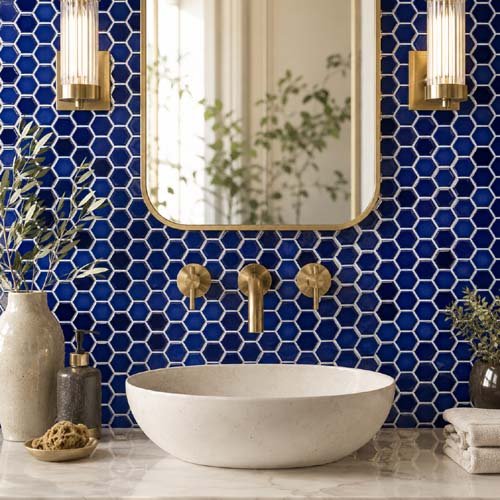
Sheet layout, mesh backing, cutting, alignment, grout selection, cleaning and ongoing maintenance.
Select your tile type for preparation, layout, setting, grouting, sealing and care guidance.
Review the appropriate guide before installation and confirm the complete installation system with your qualified installer and setting-material manufacturer.
Find Your Material
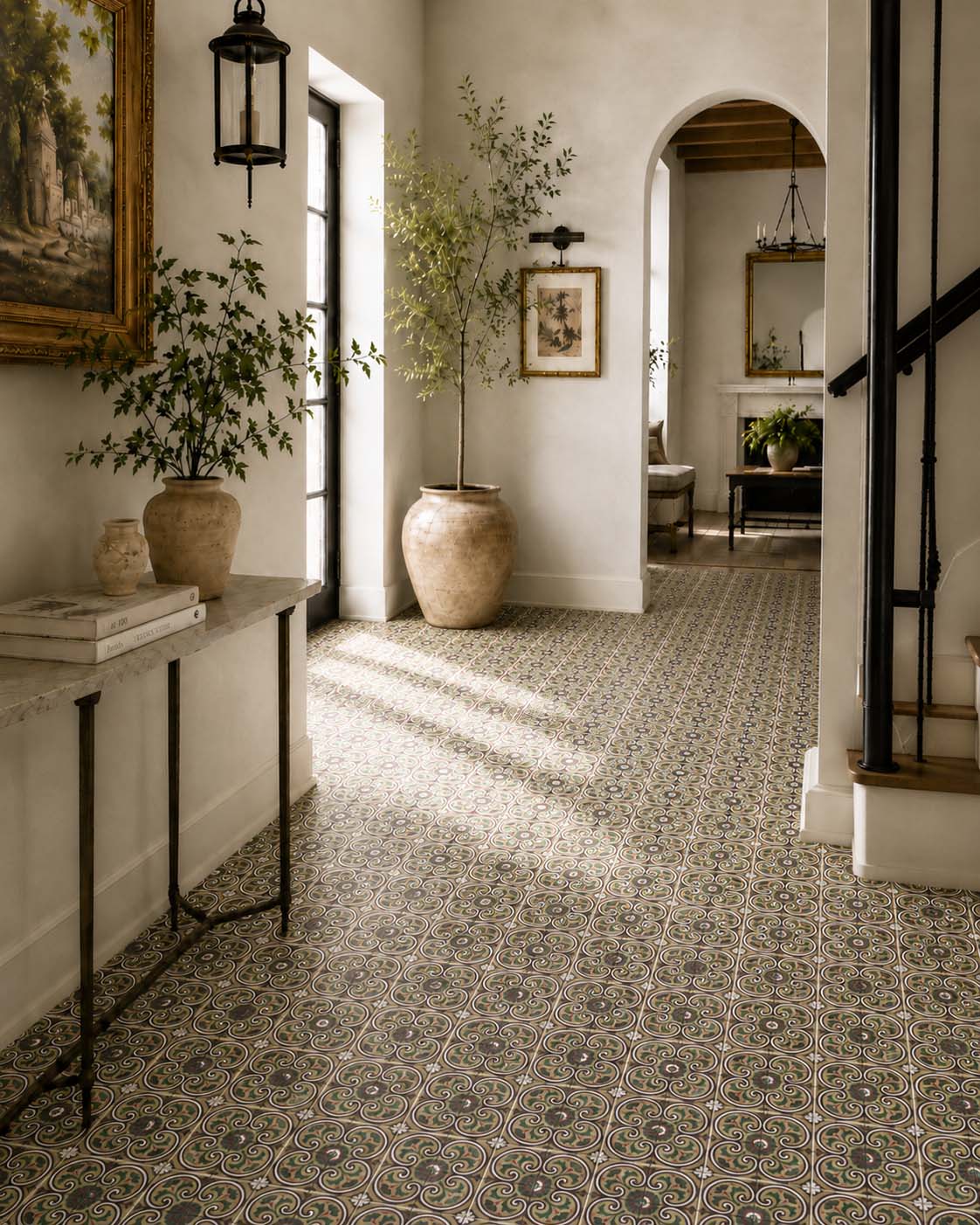
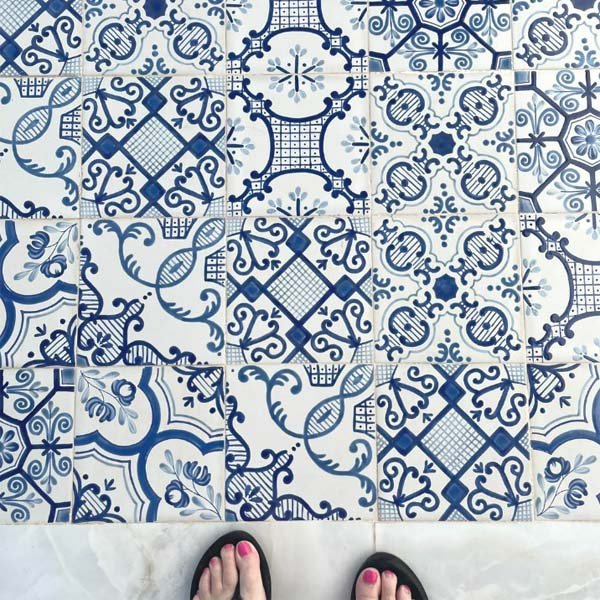
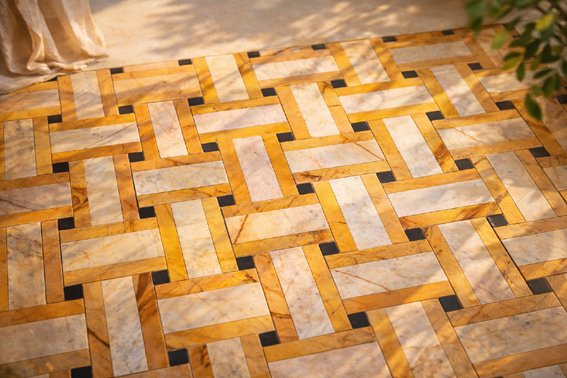
Tile materials differ in porosity, surface finish, dimensions and installation requirements. Begin with the guide that most closely matches the product being installed.
1
PDF Guide
Sheet layout, mesh backing, cutting, alignment, grout selection, cleaning and ongoing maintenance.
 2
Online Guide
2
Online Guide
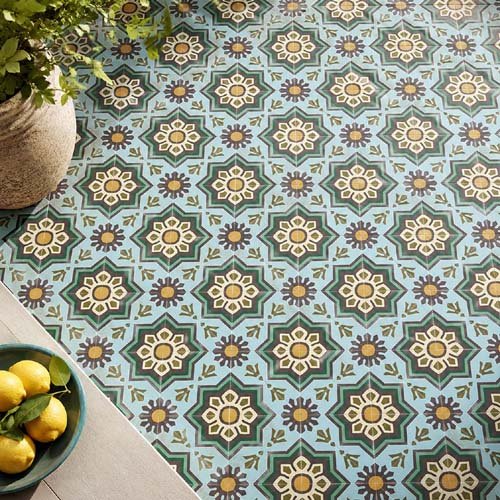
Inspection, dry layout, substrate preparation, setting, grouting, sealing and ongoing care.
3
Online Guide
Marble, limestone, onyx, blending, cutting, setting materials, sealing and stain prevention.
4
PDF Guide
Handmade variation, dry layout, cutting, spacing, grout protection, wet areas and cleaning.
 5
Online Guide
5
Online Guide
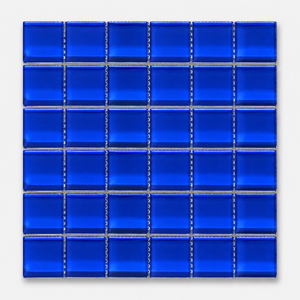
Substrate preparation, cutting, setting materials, grout selection and protection of the glass surface.
 6
PDF Guide
6
PDF Guide
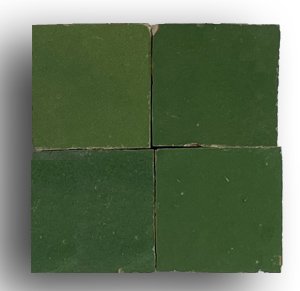
Sorting, blending, irregular edges, layout choices, wet-area considerations, grouting and cleaning.
 7
PDF Guide
7
PDF Guide
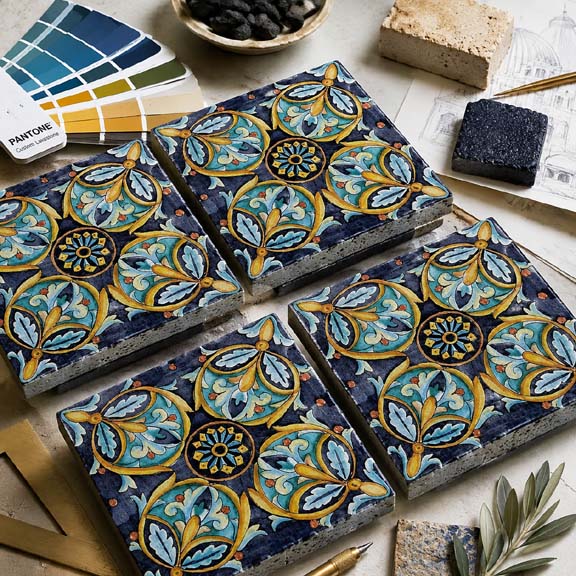
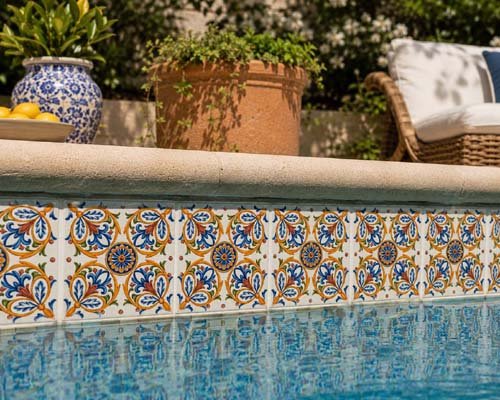
Italian hand-painted ceramic and glazed lavastone, substrate preparation, layout, cutting, setting, grouting and care.
 8
PDF Guide
8
PDF Guide
Material suitability, waterproofing coordination, freeze-thaw considerations, installation and care.
Four Essential Steps
Verify the material, quantity, color, finish, dimensions and suitability before installation.
Review the layout and blend pieces from multiple cartons where variation is expected.
Confirm the substrate, waterproofing, mortar, grout, movement joints and sealer requirements.
Follow material-specific curing, cleaning, sealing and jobsite-protection instructions.
Some installations combine several materials or involve special conditions such as pools, showers, steam rooms, exterior walls, radiant heat or freeze-thaw exposure.
Installation Basics
Yes. Verify the product, quantity, shade, finish, dimensions and condition before installation. Dry lay enough material to review the overall blend and layout. Installation generally constitutes acceptance of the material.
No. Mortar selection depends on the tile material, tile size, substrate and installation environment. Your installer should confirm compatibility with the setting-material manufacturer.
No. Porous materials such as cement tile and many natural stones normally require sealing. Many glazed ceramic, porcelain and glass surfaces do not, although the grout or a special finish may still require protection.
It can. Dark or highly pigmented grout should be tested on spare material before the full installation. A suitable sealer or grout release may be required for porous, crackle-glazed or delicate surfaces.
Mix tile from multiple cartons and complete a dry layout before setting. Variation in color, texture, edge shape and dimension is often part of the intended handmade appearance.
The qualified installer, contractor or project professional should determine the complete system based on the substrate, application, local requirements and instructions supplied by the waterproofing and setting-material manufacturers.
The tile should first be unpacked, inspected and dry laid. Cement tile and other moisture-sensitive materials may also require specific acclimation, handling or surface preparation described in their material guide.
Select the material above. When a product requires instructions beyond the general material guide, contact BelTile with the product link and details about the intended use.
Always follow the tile, setting-material, waterproofing and substrate manufacturer instructions and applicable building requirements. When in doubt, consult a qualified professional.
Guide versions vary by material.
Review the revision date shown in each guide.